Define the AC or DC charging architecture and conductor arrangement.
Yeeparts category guide
EV Charging Cables
Evaluate charging cable constructions for AC charging, high-power DC charging and liquid-cooled charging equipment. Final selection must be checked against the charging standard, connector system, current target, cable length and installation environment.
State continuous current, duty cycle, ambient temperature and cooling method.
Confirm flexibility, abrasion, weather, oil and low-temperature requirements.
Provide the connector system and standards required by the target market.
Prepare a clearer RFQ
Identify AC or DC use, voltage and current target, cooling method, connector interface, cable length, ambient conditions, applicable market standard and expected quantity.
Current catalog
Products in EV Charging Cables
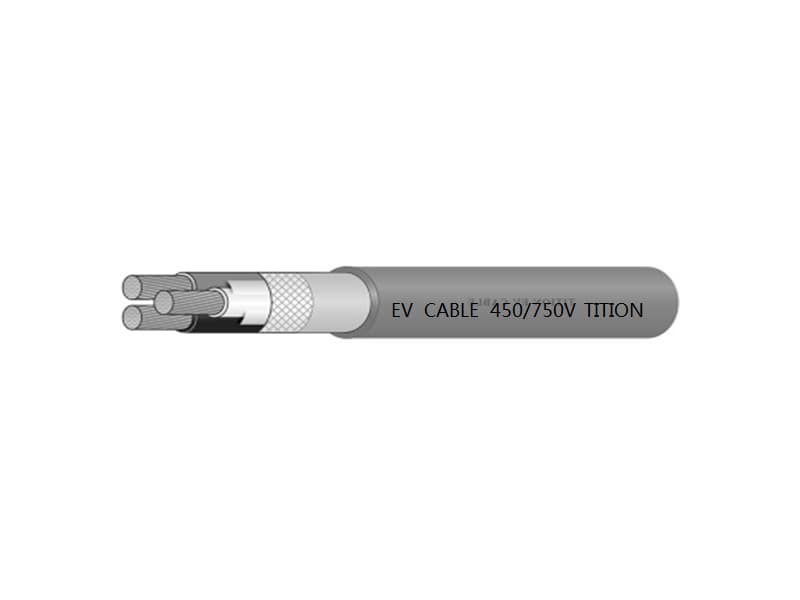
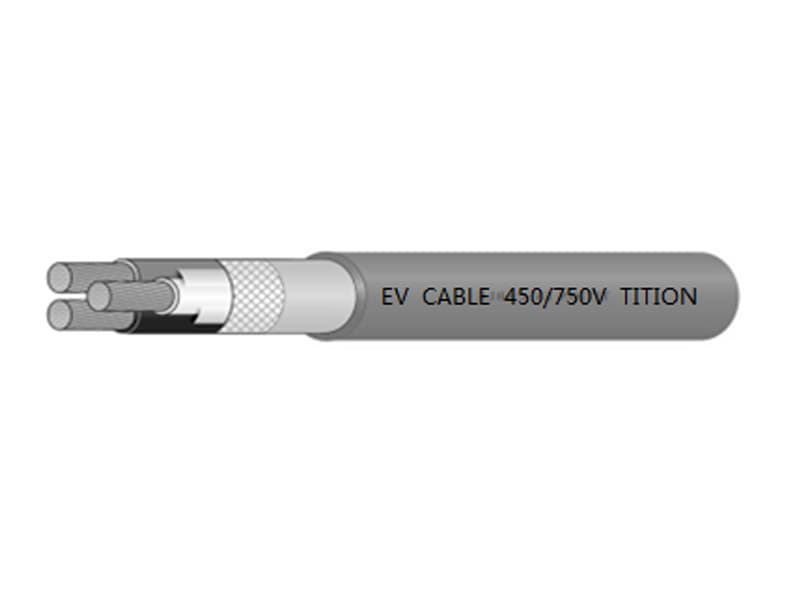
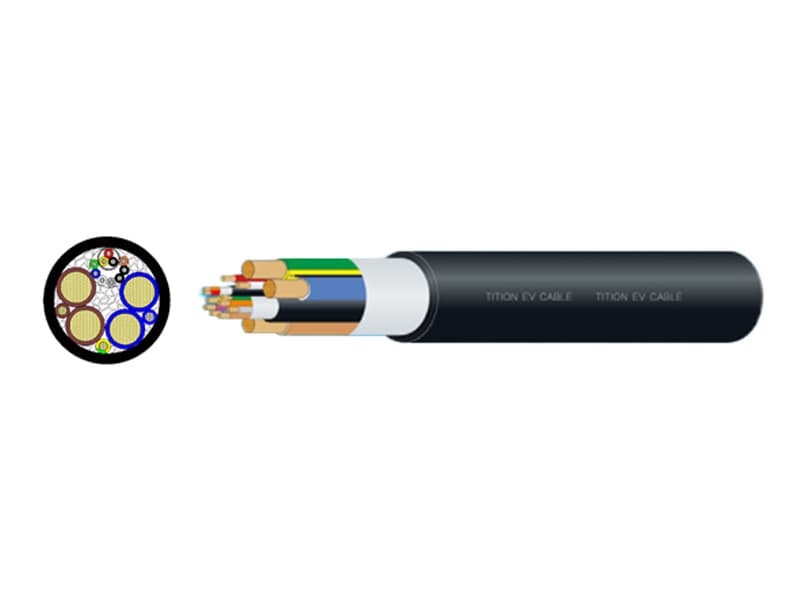
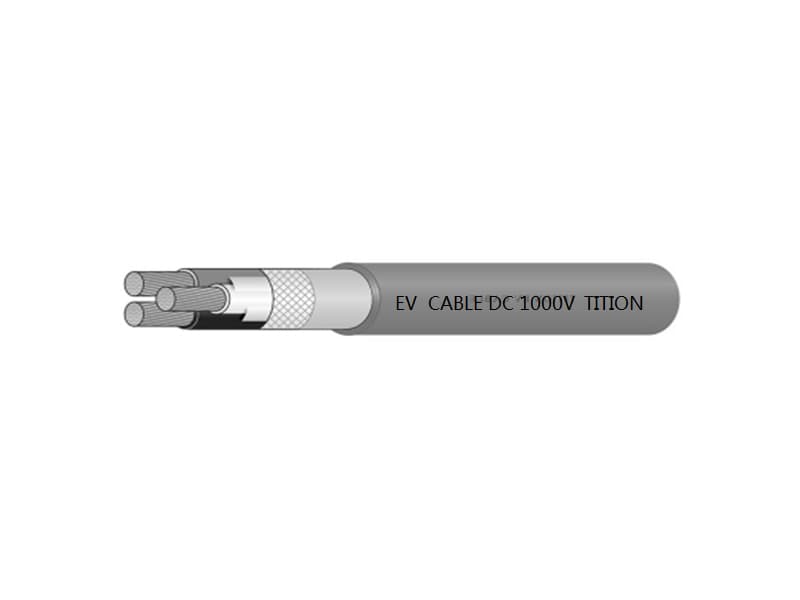
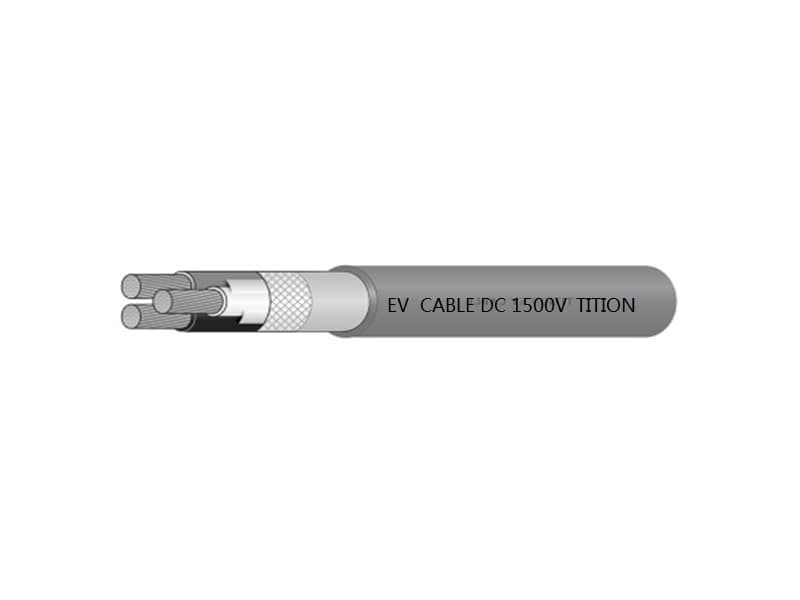
TITION-594
Liquid cooed charging cables for electric vehicles(DC)TITION
- Tape
- Non-woven
- Filler
- PP rope
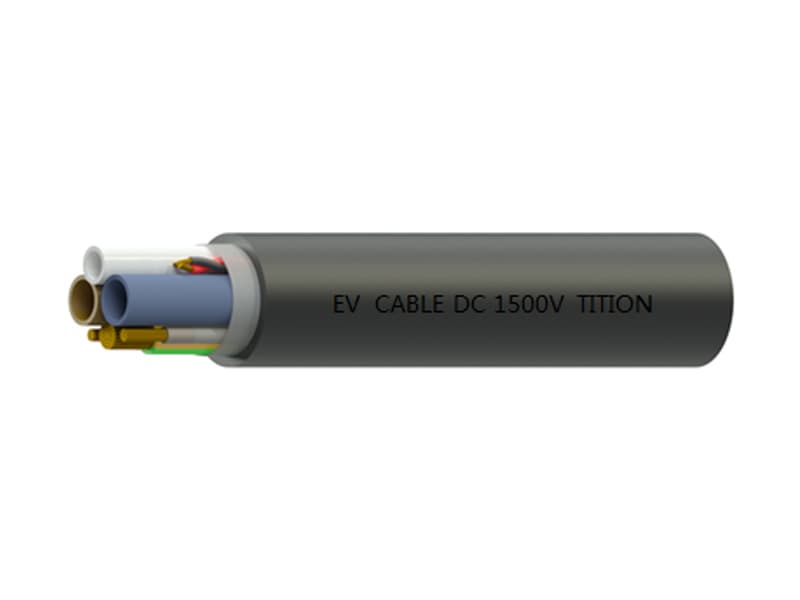
TITION-700
Liquid cooed charging cables for electric vehicles(DC)TITION
- Tape
- Non-woven
- Filler
- PP rope
Buyer FAQ
Questions before requesting a quote
What is the difference between AC and DC charging cable requirements?
The conductor arrangement, voltage, current, thermal load and applicable charging standard can differ. Confirm the charging system and connector interface first.
When should a liquid-cooled charging cable be considered?
Liquid cooling may be evaluated for high-current charging where cable size, handling and thermal performance require an actively cooled design.
Can a cable be quoted from a charging connector drawing?
Yes. Include the interface drawing, electrical requirements, length, cooling layout and destination so the review uses the same specification baseline.
Are compliance documents included automatically?
No. State the exact report, test or certificate required. Availability is confirmed with the quotation.
Have a part number or technical requirement?
Send the quantity, destination and application details for a tailored sourcing review.